
Our History


Ipswich was founded around 600AD as a small settlement close to the river Orwell. By the eighth century it had expanded to cover much of the area between the river and Tower Ramparts (site of the present day bus station) but further significant expansion did not take place until the end of the eighteenth century. Development in the Parish of St Augustine’s, near the edge of Ipswich, has been even later with almost all buildings dating from the twentieth century.

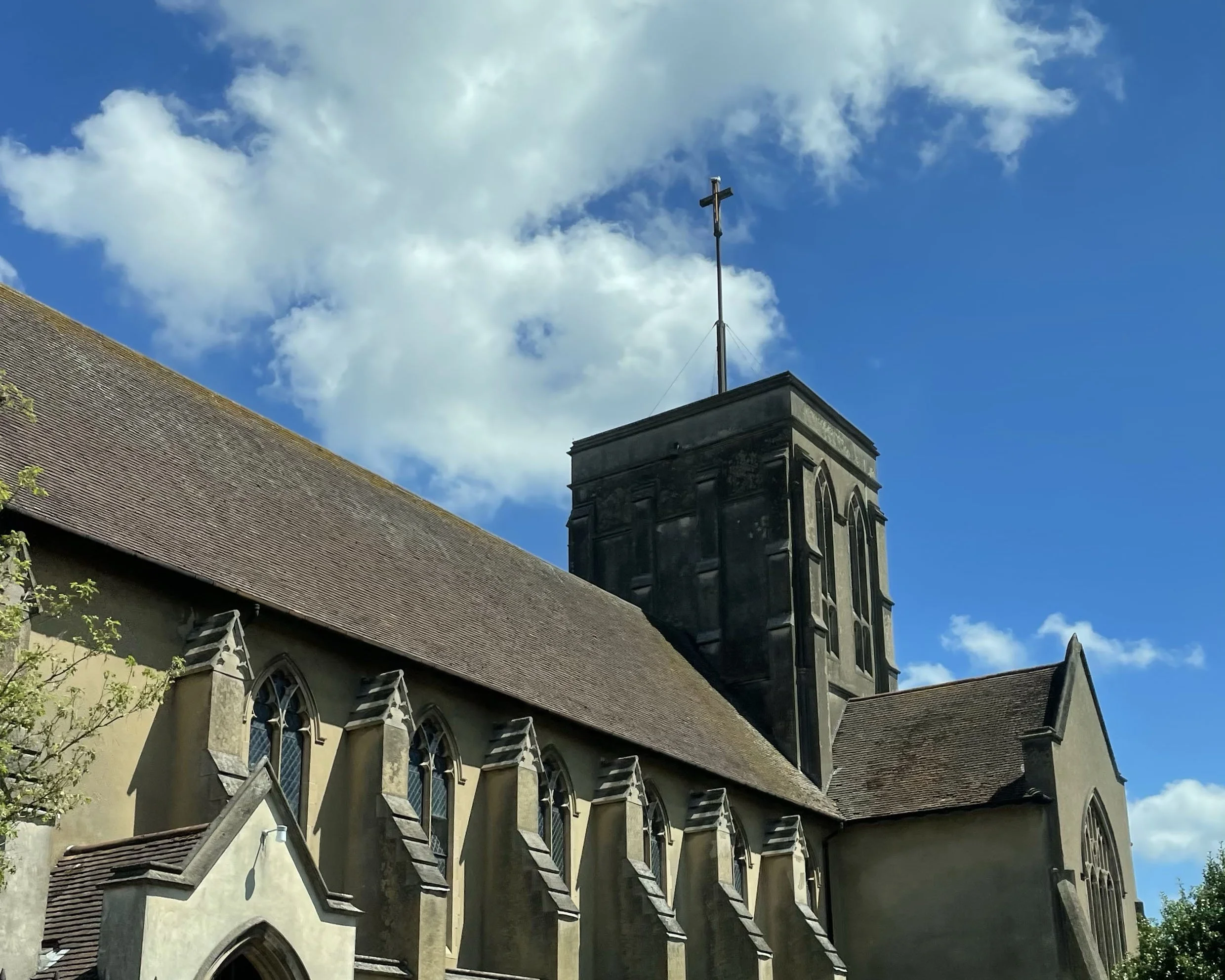
Until the Orwell Bridge was opened in 1982 (in effect the town’s southern bypass) through traffic to or from Felixstowe and the Docks came through the parish along Felixstowe Road and past St Augustine’s. Many people who used the road still remember St Augustine’s for the lighted cross high above the tower. It continues to be a local landmark.

St Augustine’s was given by a local tradesman, Charles Howard Bantoft, a tailor with a business in Ipswich’s Buttermarket. It was in thankfulness to God for a devout and pious mother. He chose to dedicate it to St Augustine of Hippo in recognition of the fact that Augustine attributed his reformation from a previously decadent lifestyle to the prayers and example of his pious mother, Monica. It could also be that he was also influenced by, and named his church after, a lost church that was called St Augustine’s in the vicinity of St Mary at Stoke.

A plaque in the church commemorates the gift:

This Church
has been given by
an Ipswich tradesman
as a thank offering to
Almighty God for the
blessing of a pious
and affectionate
Mother
1927

The land on which St Augustine’s is built was given by Lady de Saumarez of Shrubland Hall, a wealthy local benefactor. Further generosity is typified by the fact that the Architect also gave his services. A plaque commemorates this too:

H Munro Cautley ARIBA the architect of this church gave his services


In 1967 the Bantoft Vestry (named after Charles Howard Bantoft) was added. This is a comfortable hall adjacent to the church with a small kitchen and WCs. (It is shortly to be extended to include better disabled access, new WCs and a foyer.) It is used for PCC meetings, the creche and to serve coffee after services amongst other things. In 1975 the Church Hall was built on the other side of Bucklesham Road. This consists of a large hall with stage, small hall, large kitchen, storage areas and Parish Office. It is used by Church and community.

Entry Last Updated: 3rd Mar 2010 By: Website Admin
Designed, Hosted & Powered by